
Singapore Bunker Resilience Tested by Hormuz Disruptions
Disruptions along the Hormuz transit corridor in 2026 reshaped Singapore's marine fuel market, highlighting the necessity of resilient supply chains.
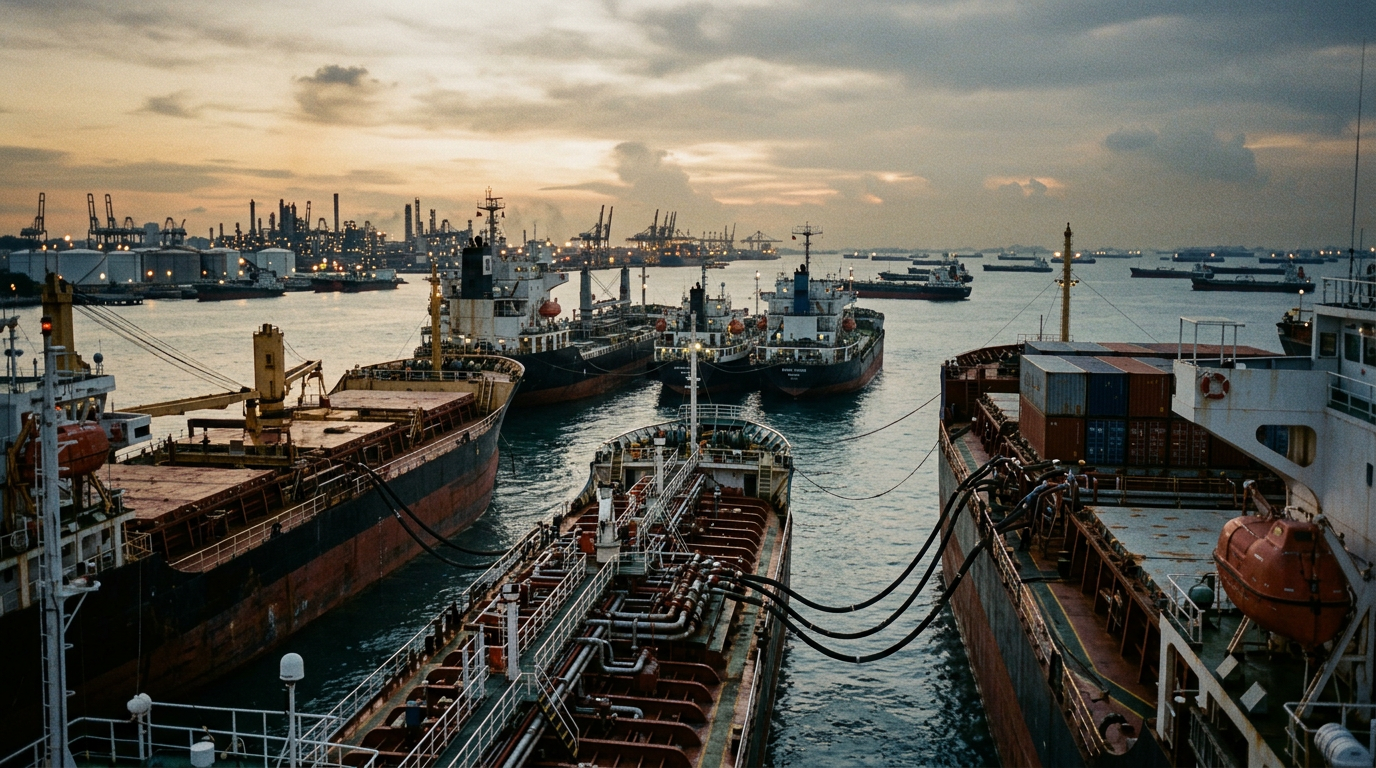
Singapore continues to serve as a pivotal bunkering hub for global commercial shipping. Geopolitical and maritime disruptions in critical transit corridors, such as the Strait of Hormuz, have tested the robustness of regional bunker supply chains entering 2026. Industry participants have had to re-evaluate procurement practices and logistical planning in response to these structural market shifts.
The maritime disruptions impacting the Hormuz passage have triggered significant adjustments across Singapore's marine fuel sector. Fuel availability, delivery schedules, and cargo flows faced renewed pressure as trade routes adjusted to shifting regional dynamics. Consequently, bunkering hubs in Southeast Asia experienced changing operational requirements to maintain steady fuel deliveries to global fleets.
Navigating these volatile conditions requires enhanced operational visibility and robust market intelligence. Suppliers and charterers alike must monitor physical flows and logistical choke points to mitigate downstream delivery risks. Strong analytical capabilities have become essential tools for market participants seeking to anticipate inventory imbalances and manage scheduling uncertainties.
Within this operating environment, Alkagesta has emphasized resilient supply chain frameworks to withstand regional market disruptions. By prioritizing adaptability and disciplined logistics, the company aims to maintain dependable marine fuel distribution during periods of heightened supply stress. Structured operational planning helps safeguard delivery commitments despite broader geopolitical headwinds.
The developments observed throughout 2026 underscore the ongoing need for flexible bunker supply architecture across global maritime hubs. Stakeholders that invest in resilient logistical pathways and transparent intelligence are better positioned to handle recurring corridor interruptions. As trade patterns continue to evolve, strategic resilience will remain a decisive factor in sustaining Singapore's bunker market operations.
Source & editorial attribution
Original source: Alkagesta
Read the original announcementThis is an original editorial summary prepared with automated assistance from the attributed source material, not an independently reported story. AI & Content Policy · Request a correction
Daily briefing
Blue Ocean Chartering — Market & Trade Briefing
A concise morning briefing on commodity, energy, fuel oil and shipping developments — written for traders, brokers, owners, operators and analysts. Source-attributed, no hype.
We use your address only to send the briefing. Unsubscribe in one click. Browse past editions.
More stories
Bunkering2 min read
Alkagesta Expands Bunkering Reach With Acquisition of Energy Petrol
Alkagesta has acquired Energy Petrol in Türkiye, incorporating eight marine fuel vessels to bolster its physical bunkering and fuel distribution platform.
Bunkering2 min read
Alkagesta Concludes SIBCON 2026 Engagements in Singapore
Alkagesta has concluded its participation at SIBCON 2026 in Singapore, addressing marine fuel transitions, supply security, and shipping market trends.
Bunkering2 min read
Alkagesta Convenes Singapore Team Ahead of SIBCON 2026
Alkagesta has brought together its marine fuels team in Singapore ahead of SIBCON 2026 amid ongoing operational expansion across Asia-Pacific markets.
Bunkering2 min read
Alkagesta Debuts Marine Fuel Supply at Port of Constanța
Alkagesta has completed its first truck-to-vessel marine fuel delivery in Constanța, expanding its bunker supply capabilities across the Black Sea.