
European Gasoline Sector Faces Supply and Transport Headwinds
European gasoline markets are experiencing constrained supplies and inland transport hurdles on the Rhine amid elevated regional demand and high-octane blendstock deficits.
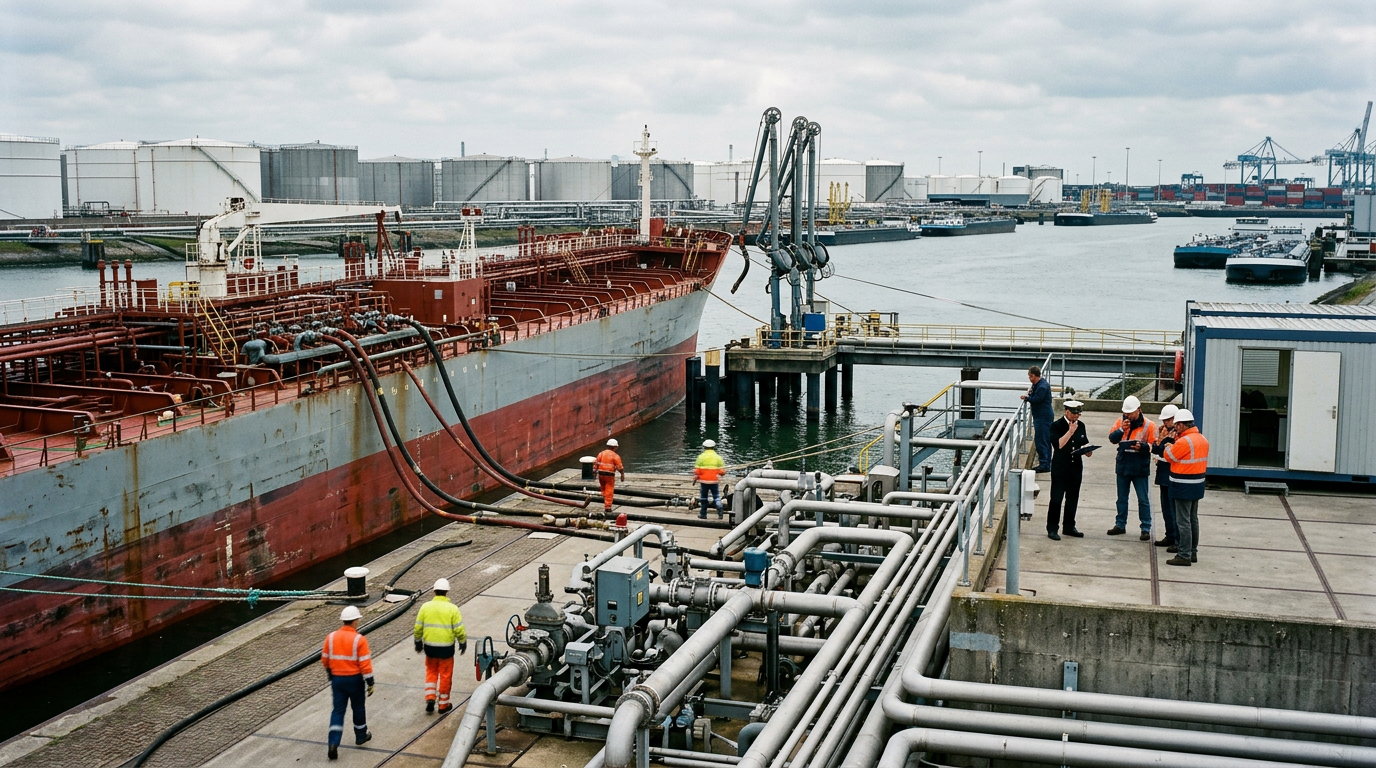
The European gasoline trade is confronting a convergence of logistical obstacles and structural supply constraints. Robust regional consumption continues to put pressure on available fuel volumes across major distribution hubs. Consequently, market participants are navigating a tightened physical supply balance across the continent.
Inland transport networks are facing pronounced friction, notably along key waterways such as the Rhine. Navigational and logistical disruptions on this critical river artery have restricted the movement of refined products to inland destination terminals. Barging constraints have therefore complicated delivery schedules and increased the reliance on alternative transport solutions.
The tightness in finished gasoline is further compounded by a noticeable shortage of high-octane blending components. Refiners and blenders are encountering limitations in securing the necessary high-grade feedstocks required to meet specific regional quality standards. This shortage creates additional friction in maximizing standard motor fuel yields.
Ongoing consumer and commercial demand continues to absorb available spot volumes at a rapid pace. This persistent demand profile ensures that inventories remain under sustained pressure without immediate opportunities for stock rebuilding. As a result, product availability across coastal and inland markets remains exceptionally tight.
Looking ahead, supply chain operators and fuel traders must balance these interrelated logistical and refining challenges. Resolving transport bottlenecks along inland corridors will be critical to restoring normal distribution flows. Until blendstock availability expands and waterborne logistics stabilize, market tightness is expected to persist.
Source & editorial attribution
- Original source
- Alkagesta
- Source headline
- European Gasoline Market Outlook August 2026
- Source published
- 27 Aug 2026, 10:32 UTC
Read the original announcement
This is an original editorial summary prepared with automated assistance from the attributed source material, checked for factual consistency against that source and published under our AI & content policy. It is not an independently reported story. Spotted an error? Request a correction.
Daily briefing
Blue Ocean Chartering — Market & Trade Briefing
A concise morning briefing on commodity, energy, fuel oil and shipping developments — written for traders, brokers, owners, operators and analysts. Source-attributed, no hype.
We use your address only to send the briefing. Unsubscribe in one click. Browse past editions.
More from Petroleum Products
All coverage
Petroleum Products2 min read
Alkagesta Joins Industry Dialogue at PROкачай АЗС 2026 in Kyiv
Alkagesta participated in the PROкачай АЗС 2026 conference in Kyiv, focusing on fuel procurement, supply chain security, and downstream retail partnerships.
Petroleum Products3 min read
Alkagesta Authorized for Participation in Platts EMEA Naphtha MOC Process
Energy trading firm Alkagesta has secured approval to participate in the Platts physical Market on Close (MOC) assessment process for EMEA naphtha, reinforcing its role in regional price discovery.
Petroleum Products4 min read
Global Naphtha Market 2026: Navigating the Intersection of Petrochemicals and Blending
A new market report from Alkagesta highlights the widening gap between struggling petrochemical margins and a robust gasoline blending market, as global naphtha traders navigate supply disruptions and shifting regional capacities.

Petroleum Products2 min read
Global Naphtha Market 2026: Demand, Trade and Supply Drivers
An analysis of the 2026 global naphtha market outlines the critical roles of petrochemicals, gasoline blending, supply shifts, and arbitrage trade.