
Fuel Oil Markets Face Volatility Amid Critical Choke Point Constraints
Logistical disruptions across maritime and inland choke points are tightening VLSFO supply and driving volatility in the fuel oil sector.
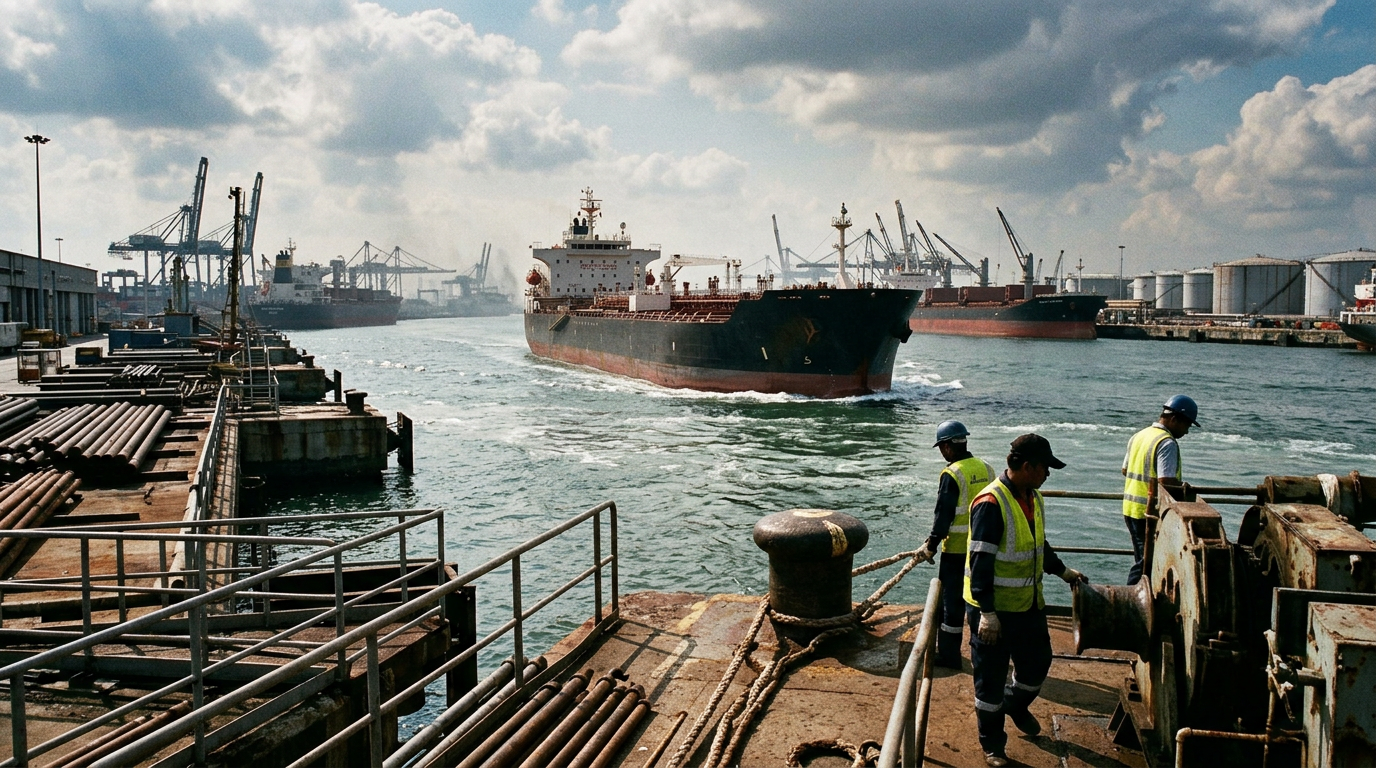
Fuel oil distribution networks are navigating heightened operational friction as strategic maritime and inland transit corridors face concurrent bottlenecks. Recent market assessments highlight mounting tension across commercial supply chains that support global shipping operations. These logistical hurdles are interacting with existing refinery balances, creating turbulent pricing dynamics for bunker buyers.
Marine transit challenges connected to the Strait of Hormuz represent a critical pressure point for global petroleum movements. Disruptions along this essential energy artery directly impair the regular flow of feedstock and heavy refined products between major hubs. Consequently, commercial shipping operators are encountering increased uncertainty regarding delivery timetables and transportation premiums across primary long-haul routes.
In inland Europe, navigation difficulties along the Rhine corridor are exacerbating downstream distribution challenges for the sector. Logistics constraints along the river limit the regular movement of fuel oil components between inland terminals and regional blending facilities. This waterway bottleneck restricts prompt product replenishment across Northwest European ports, keeping regional inventory balances constrained.
The combined impact of these transit limitations has sharpened availability constraints for very low sulfur fuel oil. With blending components and finished product encountering persistent transport delays, marine fuel suppliers in key hubs face tight physical supply conditions. Vessel operators and charterers are adjusting their procurement schedules to secure compliant volumes amid reduced spot availability.
The interplay between international maritime choke points, river transit constraints, and tight product supply is elevating overall market volatility. Fuel procurement teams face wider price swings alongside less predictable replenishment cycles across major bunkering centers. Managing operational exposure in this climate requires disciplined risk management and flexible logistics planning across both primary and secondary refueling locations.
Source & editorial attribution
- Original source
- Alkagesta
- Source headline
- Fuel Oil Market Outlook August 2026: Choke Point Pressures
- Source published
- 13 Aug 2026, 12:22 UTC
Read the original announcement
This is an original editorial summary prepared with automated assistance from the attributed source material, checked for factual consistency against that source and published under our AI & content policy. It is not an independently reported story. Spotted an error? Request a correction.
Daily briefing
Blue Ocean Chartering — Market & Trade Briefing
A concise morning briefing on commodity, energy, fuel oil and shipping developments — written for traders, brokers, owners, operators and analysts. Source-attributed, no hype.
We use your address only to send the briefing. Unsubscribe in one click. Browse past editions.
More from Fuel Oil
All coverage
Fuel Oil2 min read
Fuel Oil Markets Tighten Amid Rhine Disruptions and Closed Arbitrage
Logistics disruptions along the Rhine and tight Singapore supplies are driving up bunker premiums as arbitrage windows remain closed.
Fuel Oil2 min read
Manifold Times Spotlights Alkagesta Analysis on Fuel Oil and Logistics
A recent feature in Manifold Times examines Alkagesta's market insights on Hormuz disruptions, Rhine transport constraints, and fuel oil dynamics.

Fuel Oil2 min read
Fuel Oil Sector Navigates Choke Point Disruptions and VLSFO Deficits
Navigational bottlenecks in key waterways alongside constrained low-sulfur fuel reserves are amplifying volatility across international bunker markets.