
Hormuz Disruptions Challenge Global Fertilizer Shipping Flows
Mounting maritime tensions along the Strait of Hormuz are altering fertilizer trade flows, elevating commodity prices, and challenging worldwide food security.
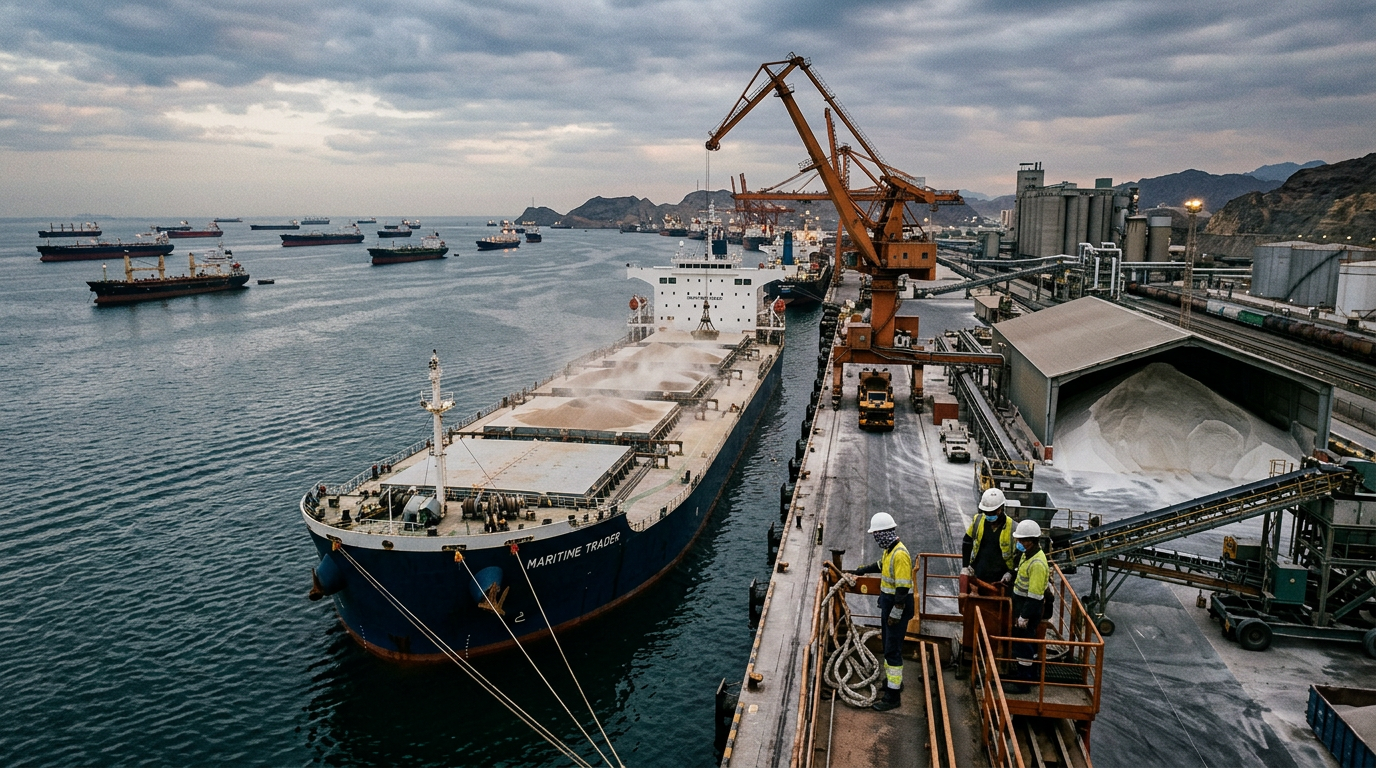
Global fertilizer distribution networks are encountering notable friction following operational disruptions along key maritime passages in the Strait of Hormuz. Heightened tensions within the region are directly influencing critical shipping corridors relied upon for bulk commodity movements. Consequently, charterers and vessel operators are adjusting their navigation strategies to manage emerging risks across these transit routes.
The disruption is shifting standard maritime trade flows as dry bulk and specialized carriers navigate logistical bottlenecks. Vessel scheduling and cargo deliveries face growing uncertainty as ships maneuver through volatile operational environments. These changes require logistics coordinators to reassess maritime routes and evaluate port accessibility across broader regional networks.
Shifting maritime conditions are also placing upward pressure on international fertilizer price structures. As transit complexities increase, associated shipping expenses and cargo handling adjustments naturally influence landed product valuations. Market participants are closely monitoring these price movements to balance procurement budgets against shifting delivery timelines.
The ripple effects of these shipping constraints extend directly to the agricultural sector and global food security frameworks. Because fertilizers serve as a fundamental input for international crop yields, delayed maritime deliveries can affect planting schedules in key farming regions. Sustaining consistent supply flows remains vital to maintaining agricultural productivity worldwide.
Stakeholders across the maritime freight ecosystem are prioritizing supply chain resilience to mitigate further logistical shocks. Collaborative planning between chartering desks, cargo owners, and shipping lines helps maintain continuity despite regional chokepoint challenges. Proactive route management and diversified sourcing strategies remain central to stabilizing bulk cargo shipments.
Source & editorial attribution
- Original source
- Alkagesta
- Source headline
- Fertilizer Supply Shock as Hormuz Disruptions Escalate
- Source published
- 24 Jun 2026, 07:22 UTC
Read the original announcement
This is an original editorial summary prepared with automated assistance from the attributed source material, checked for factual consistency against that source and published under our AI & content policy. It is not an independently reported story. Spotted an error? Request a correction.
Daily briefing
Blue Ocean Chartering — Market & Trade Briefing
A concise morning briefing on commodity, energy, fuel oil and shipping developments — written for traders, brokers, owners, operators and analysts. Source-attributed, no hype.
We use your address only to send the briefing. Unsubscribe in one click. Browse past editions.
More from Commodity Markets
All coverage
Commodity Markets2 min read
Hormuz Strait Disruptions Trigger Volatility Across Fertilizer Supply Chains
Escalating maritime friction in the Strait of Hormuz threatens global fertilizer distribution, driving up commodity pricing and exerting pressure on international food security.