Ukrainian Commodity Trading: Navigating Logistics Under Wartime Pressure
Ukraine's fertilizer imports have reached 1.483 million tonnes as commodity traders maintain deal execution and logistical flows from Kyiv despite ongoing wartime pressures.
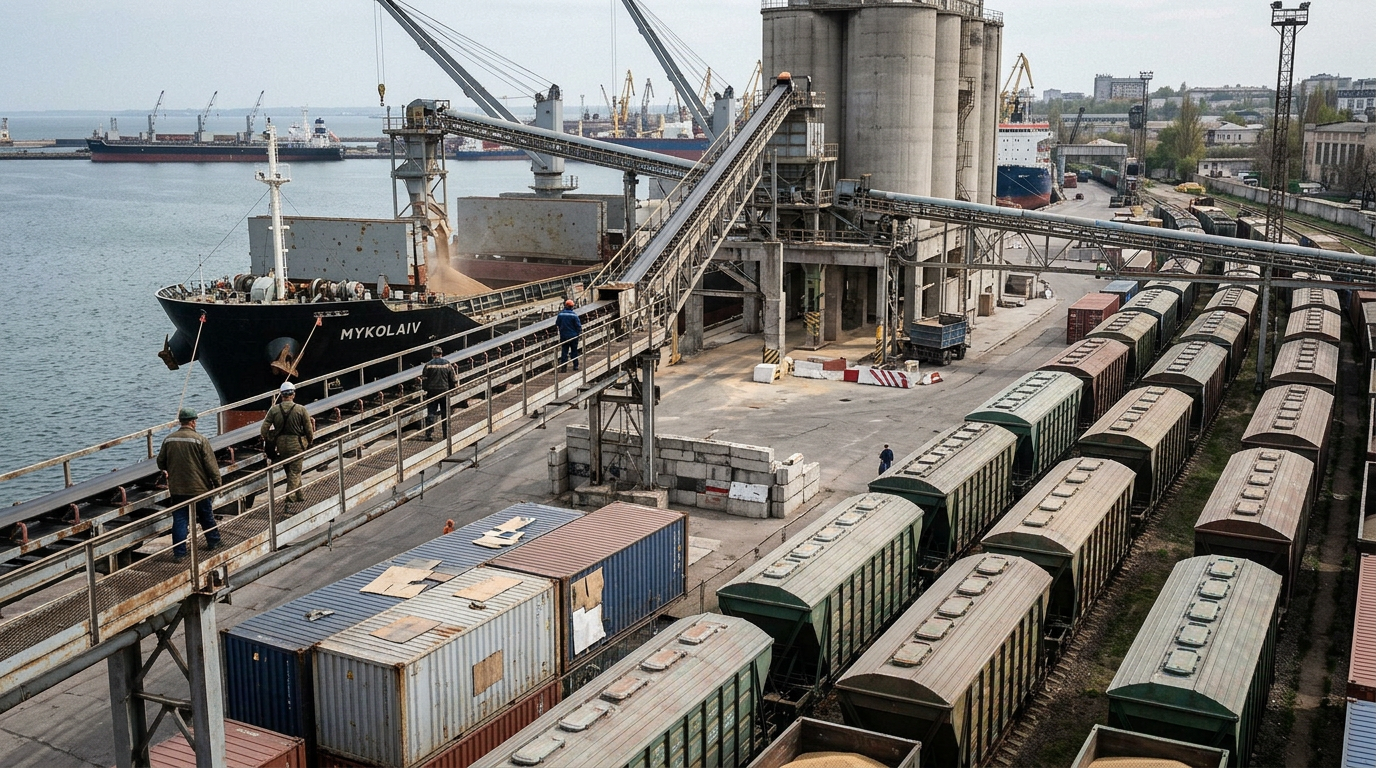
Managing commodity supply chains during active conflict demands robust operational adaptability and stringent logistical planning. Market participant Elchin Aliyev has highlighted the practical complexities of executing trade transactions directly from Kyiv amid ongoing wartime pressures. Despite severe operational headwinds across regional transport networks, critical agricultural inputs continue to flow into the country to sustain domestic cultivation cycles.
Agricultural stability remains deeply tied to the reliable inbound movement of essential nutrients and soil enrichment products. Recent trade volumes indicate that Ukraine's fertilizer imports have reached 1.483 million tonnes over the course of the current year. Achieving this import volume underscores the continuous effort by cross-border logistics operators to bridge supply gaps despite persistent infrastructure risks.
Executing transactions under wartime conditions requires heightened coordination across freight forwarding channels and chartering desks. Trading teams operating from the capital must navigate fluctuating transit routes, insurance considerations, and evolving border protocols. These dynamic conditions demand real-time problem-solving to ensure contracted dry bulk and breakbulk volumes reach their destinations without severe disruption.
The logistical flow of vital commodities demonstrates the resilience of commercial networks facing unprecedented geopolitical strain. Coordinated execution between local receivers, international suppliers, and transport partners helps maintain supply continuity for the broader farming sector. Strategic oversight in deal settlement and delivery mechanisms remains pivotal to mitigating counterparty and operational risks.
Moving substantial bulk volumes such as agricultural inputs requires constant recalibration of multimodal transport strategies. Logistics specialists continue to optimize rail, road, and maritime corridor options to safeguard crucial import streams. The ongoing handling of commodity transactions from Kyiv reflects the enduring operational determination sustaining Ukrainian agricultural infrastructure.
Source & editorial attribution
- Original source
- Alkagesta
- Source headline
- Commodity Trading in Ukraine: Logistics and Execution
- Source published
- 22 Jul 2026, 12:28 UTC
Read the original announcement
This is an original editorial summary prepared with automated assistance from the attributed source material, checked for factual consistency against that source and published under our AI & content policy. It is not an independently reported story. Spotted an error? Request a correction.
Daily briefing
Blue Ocean Chartering — Market & Trade Briefing
A concise morning briefing on commodity, energy, fuel oil and shipping developments — written for traders, brokers, owners, operators and analysts. Source-attributed, no hype.
We use your address only to send the briefing. Unsubscribe in one click. Browse past editions.
More from Commodity Trading
All coverage
Commodity Trading2 min read
Ensuring Reliability in Fertilizer Trade via Quality Audits
Systematic supplier verification and rigorous inspection protocols safeguard global fertilizer transactions, securing product integrity from origin to destination.
Commodity Trading4 min read
Alkagesta takes fertilizer desk to Argus Istanbul conference
The trader's fertilizer team joined more than 450 delegates in Istanbul to talk trade flows, CBAM and the logistics corridors moving nitrogen and phosphate cargoes.
Commodity Trading3 min read
Alkagesta adds EU ETS allowances to its carbon trading desk
The Malta-based commodity trader says clients can now cover allowances, credits and physical fuel supply through a single trading relationship.
Commodity Trading2 min read
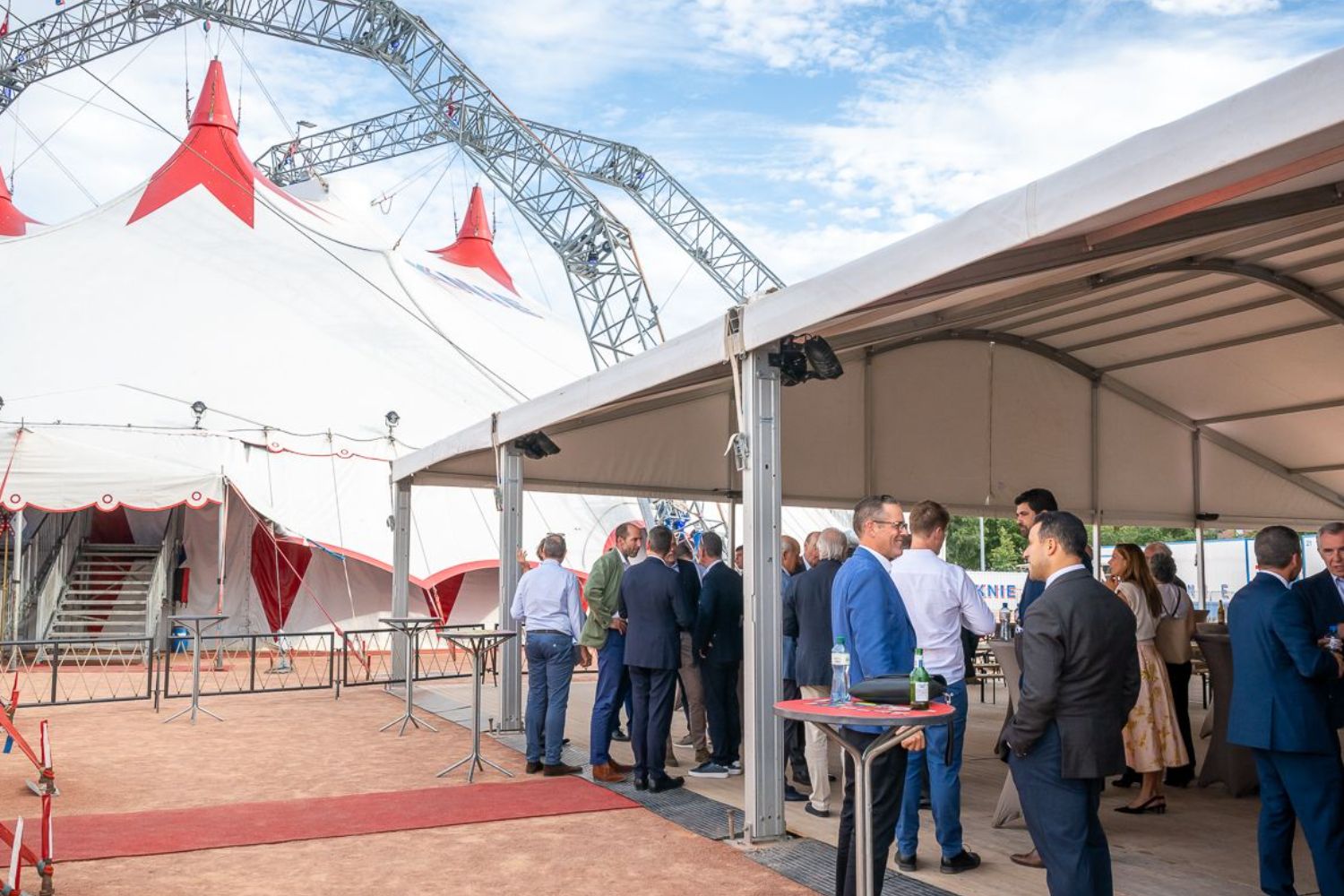
Alkagesta Leadership Attends SUISSENÉGOCE 20th Anniversary in Geneva
Alkagesta CEO Orkhan Rustamov and CFO Orkhan Zeynalli participated in SUISSENÉGOCE's 20th anniversary celebration in Geneva, engaging with commodity trade peers.