Malta Bunkering Market 2026: Navigating Infrastructure and Compliance Shifts
Alkagesta outlines the structural adjustments defining Malta’s bunkering sector in 2026, as new emission regulations and infrastructure developments reshape Mediterranean fuel demand.
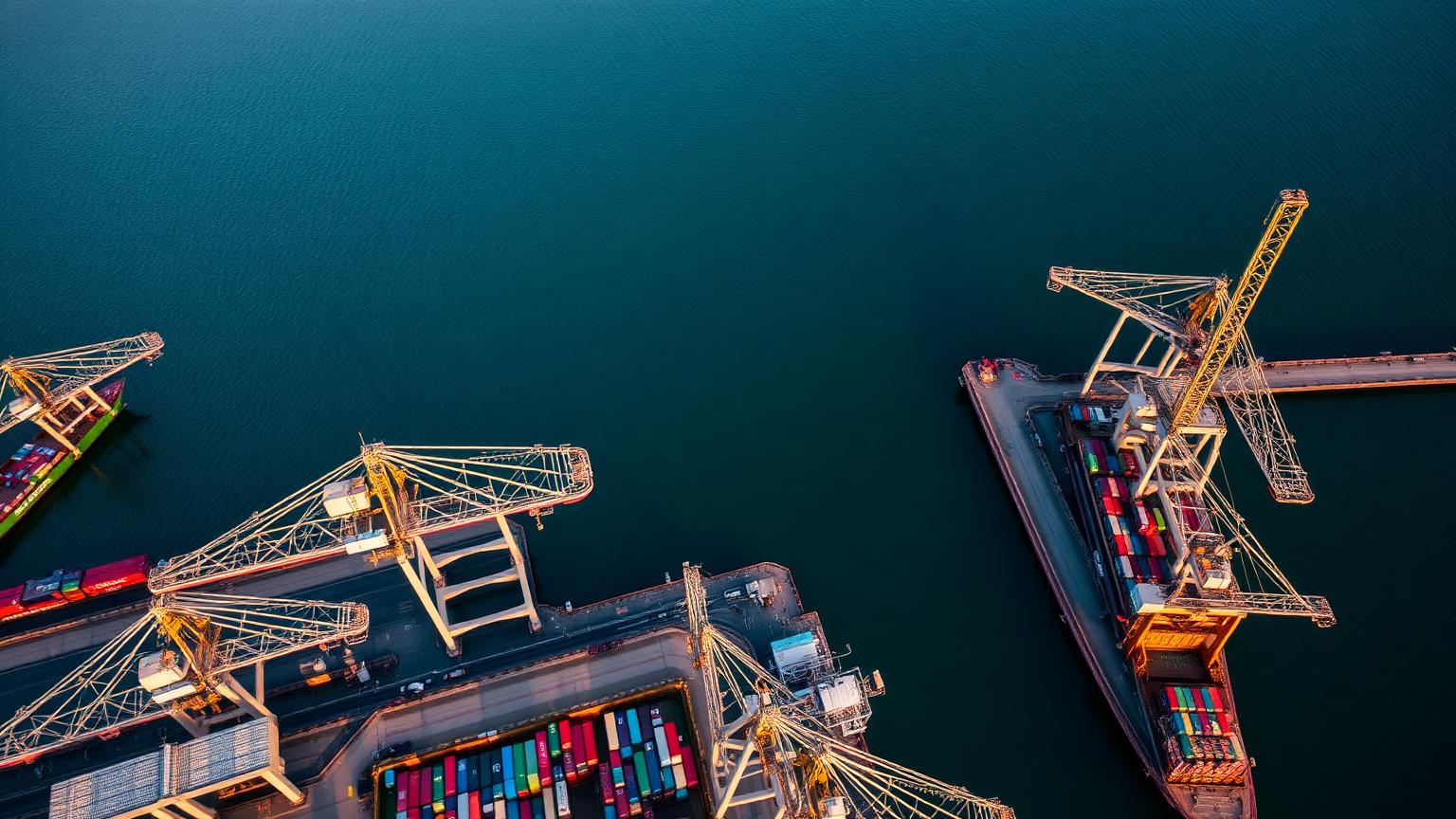
The bunkering sector in Malta is navigating a period of significant structural change throughout 2026, driven by new environmental mandates and shifts in infrastructure availability. According to a market report from Alkagesta, the implementation of the Mediterranean Emission Control Area (ECA) in May 2025 served as a primary catalyst for this transition. The new regulations have drastically altered the product mix required by shipping operators, leading to a sharp decline in Very Low Sulphur Fuel Oil (VLSFO) demand while volumes for Marine Gas Oil (MGO) and Ultra-Low Sulphur Fuel Oil (ULSFO) have surged.
Operational challenges have further influenced the market landscape this year. Alkagesta notes that total fuel oil volumes in Malta saw a year-on-year reduction of approximately 35% during the first five months of 2026. Conversely, the demand for distillate marine fuels increased significantly during the same timeframe. These fluctuations occurred alongside temporary constraints in terminal capacity across the island, highlighting the importance of logistical flexibility for fuel suppliers.
Strategic infrastructure has become a key differentiator in maintaining supply stability. Alkagesta, which manages nearly 300,000 cubic meters of storage capacity on the island, highlighted the role of its Delimara terminal in providing alternative supply points when traditional access was limited. As the market enters a normalization phase, the company expects that modern facilities capable of handling a diverse range of cleaner fuels will hold a competitive advantage over older infrastructure that may struggle with segregation requirements.
The broader Mediterranean region is facing similar pressures as European Union regulations, such as FuelEU Maritime and the EU ETS, become more stringent. Alkagesta points out that these requirements are forcing a choice for shipowners between compliant fuels and potential rerouting to non-European hubs. The significant price premium for sustainable fuels remains a challenge, emphasizing that the success of a bunkering hub will increasingly depend on its ability to offer reliable, compliant products rather than just high volumes.
Looking toward the future, the competitiveness of Malta will likely hinge on operational efficiency rather than just its geographic location. Alkagesta emphasizes that improvements in pumping rates, berth reliability, and the digitalization of port procedures are essential for attracting vessel calls. While the island possesses ample storage capacity, the focus for stakeholders is shifting toward maritime skill development and readiness for the energy transition to ensure long-term relevance in Mediterranean energy flows.
Source & editorial attribution
- Original source
- Alkagesta
- Source headline
- Malta Bunkering Market 2026: Infrastructure & Compliance
- Source published
- 27 Aug 2026, 14:00 UTC
Read the original announcement
This is an original editorial summary prepared with automated assistance from the attributed source material, checked for factual consistency against that source and published under our AI & content policy. It is not an independently reported story. Spotted an error? Request a correction.
Daily briefing
Blue Ocean Chartering — Market & Trade Briefing
A concise morning briefing on commodity, energy, fuel oil and shipping developments — written for traders, brokers, owners, operators and analysts. Source-attributed, no hype.
We use your address only to send the briefing. Unsubscribe in one click. Browse past editions.
More from Bunkering
All coverageBunkering2 min read
Alkagesta Concludes SIBCON 2026 Engagements in Singapore
Alkagesta has concluded its participation at SIBCON 2026 in Singapore, addressing marine fuel transitions, supply security, and shipping market trends.
Bunkering2 min read
Alkagesta Convenes Singapore Team Ahead of SIBCON 2026
Alkagesta has brought together its marine fuels team in Singapore ahead of SIBCON 2026 amid ongoing operational expansion across Asia-Pacific markets.
Bunkering2 min read
Alkagesta Debuts Marine Fuel Supply at Port of Constanța
Alkagesta has completed its first truck-to-vessel marine fuel delivery in Constanța, expanding its bunker supply capabilities across the Black Sea.
Bunkering3 min read
Malta Bunkering Landscape Shifts from Fuel Oil to Distillates Amid Regulatory Changes
An analysis by Alkagesta indicates a sharp decline in fuel oil demand in Malta, as the Mediterranean bunkering hub transitions toward distillate fuels driven by new environmental regulations and infrastructure shifts.