
Malta Bunkering Landscape Shifts from Fuel Oil to Distillates Amid Regulatory Changes
An analysis by Alkagesta indicates a sharp decline in fuel oil demand in Malta, as the Mediterranean bunkering hub transitions toward distillate fuels driven by new environmental regulations and infrastructure shifts.
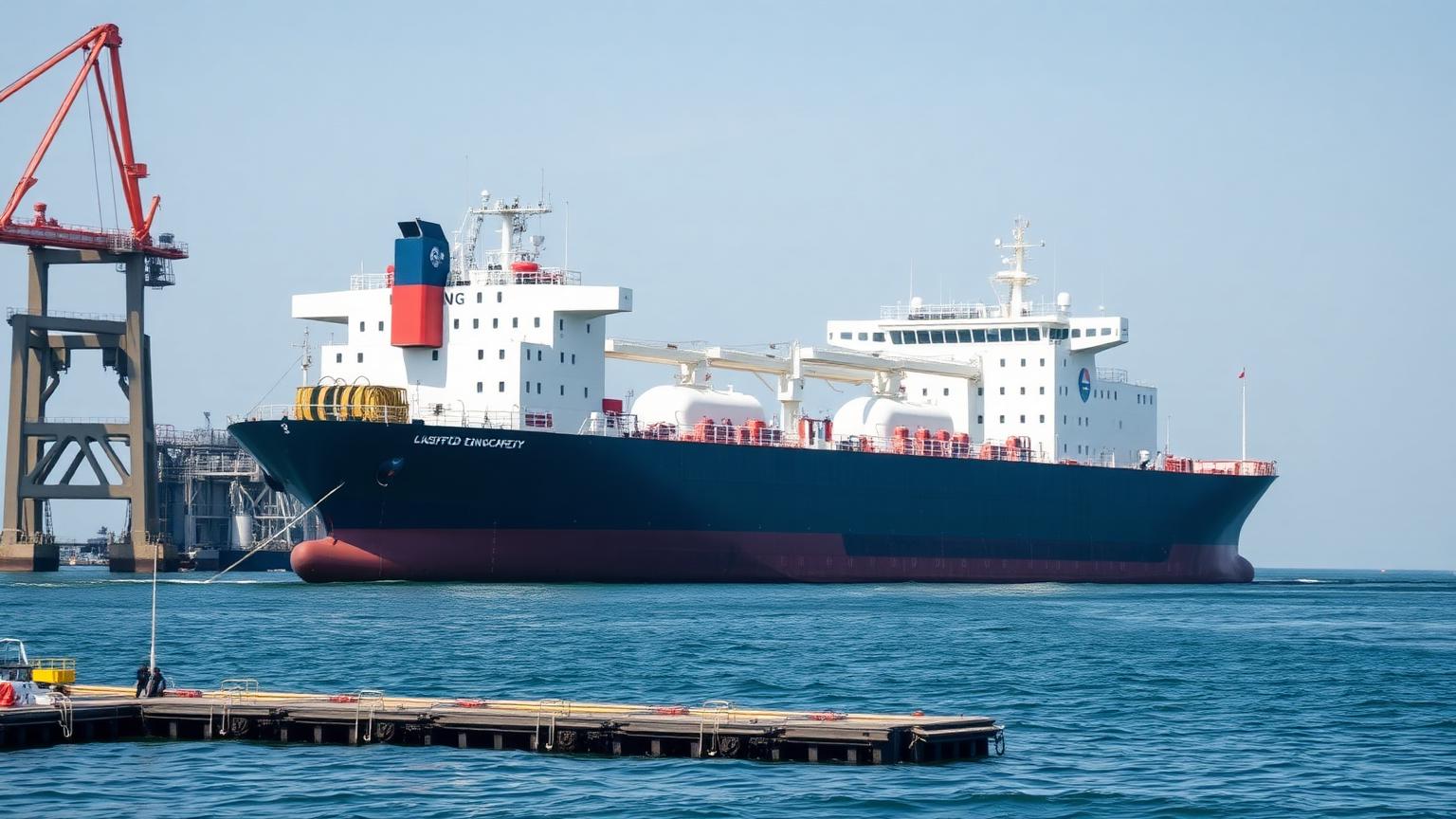
The Mediterranean maritime sector is undergoing a profound structural transformation, with the Maltese bunkering market serving as a primary indicator of shifting demand patterns. Recent data analysis published by Alkagesta reveals a significant migration away from traditional fuel oils toward distillate alternatives. This transition is characterized by a 35% year-on-year decline in fuel oil volumes during the first five months of 2026, marking a pivotal departure from historical consumption norms in the region.
Fuel testing statistics from VPS support these findings, indicating that the shift is not isolated to Malta but is reflected across major Mediterranean hubs. In Valletta specifically, Very Low Sulphur Fuel Oil (VLSFO) demand plummeted by 57%, while Marine Gasoil (MGO) consumption more than tripled. Furthermore, the adoption of Ultra Low Sulphur Fuel Oil (ULSFO) has seen exponential growth, rising from less than 3,000 metric tonnes to over 34,500 metric tonnes within the monitored period.
Industry experts attribute this rapid realignment to a combination of tightening environmental mandates and infrastructure constraints. The introduction of the Mediterranean Emission Control Area (ECA) has placed stricter limits on sulphur emissions, forcing shipowners to prioritize cleaner-burning distillates. Additionally, Alkagesta notes that reduced terminal capacity on the island has influenced the availability and selection of specific fuel grades, further accelerating the move toward DMA marine gasoil.
Regulatory pressures extend beyond emission controls, as the maritime industry grapples with the concurrent implementation of FuelEU Maritime and the EU Emissions Trading System (ETS). Alkagesta’s Malta Country Manager, Jesmond Micallef, emphasized that the convergence of these frameworks is fundamentally altering shipowner behavior. The necessity for compliance is driving a strategic rethink of fuel procurement, as operators seek to mitigate the financial impact of carbon costs and fuel intensity requirements.
The long-term viability of Malta as a premier bunkering hub will likely depend on its ability to adapt to these regulatory and market shifts. As the industry moves closer to 2026 targets, the ability of local suppliers to provide high-quality distillates and potentially alternative fuels will be critical. The current trend suggests that the dominance of heavy fuel oil is waning, replaced by a more diversified and lower-emission product mix that aligns with broader European environmental objectives.
Source & editorial attribution
- Original source
- Alkagesta
- Source headline
- Malta Bunkering Market Shifts 2026: Fuel Oil to Distillates
- Source published
- 27 Aug 2026, 21:00 UTC
Read the original announcement
This is an original editorial summary prepared with automated assistance from the attributed source material, checked for factual consistency against that source and published under our AI & content policy. It is not an independently reported story. Spotted an error? Request a correction.
Daily briefing
Blue Ocean Chartering — Market & Trade Briefing
A concise morning briefing on commodity, energy, fuel oil and shipping developments — written for traders, brokers, owners, operators and analysts. Source-attributed, no hype.
We use your address only to send the briefing. Unsubscribe in one click. Browse past editions.
More from Bunkering
All coverage
Bunkering2 min read
Alkagesta Concludes SIBCON 2026 Engagements in Singapore
Alkagesta has concluded its participation at SIBCON 2026 in Singapore, addressing marine fuel transitions, supply security, and shipping market trends.
Bunkering2 min read
Alkagesta Convenes Singapore Team Ahead of SIBCON 2026
Alkagesta has brought together its marine fuels team in Singapore ahead of SIBCON 2026 amid ongoing operational expansion across Asia-Pacific markets.
Bunkering2 min read
Alkagesta Debuts Marine Fuel Supply at Port of Constanța
Alkagesta has completed its first truck-to-vessel marine fuel delivery in Constanța, expanding its bunker supply capabilities across the Black Sea.
Bunkering4 min read
Malta Bunkering Market 2026: Navigating Infrastructure and Compliance Shifts
Alkagesta outlines the structural adjustments defining Malta’s bunkering sector in 2026, as new emission regulations and infrastructure developments reshape Mediterranean fuel demand.