
Malta Bunkering Sector Prepares for 2026 Infrastructure and Fuel Mandates
Strategic reviews highlight Malta's maritime sector focusing on logistical upgrades, regulatory compliance, and energy transition pathways toward 2026.
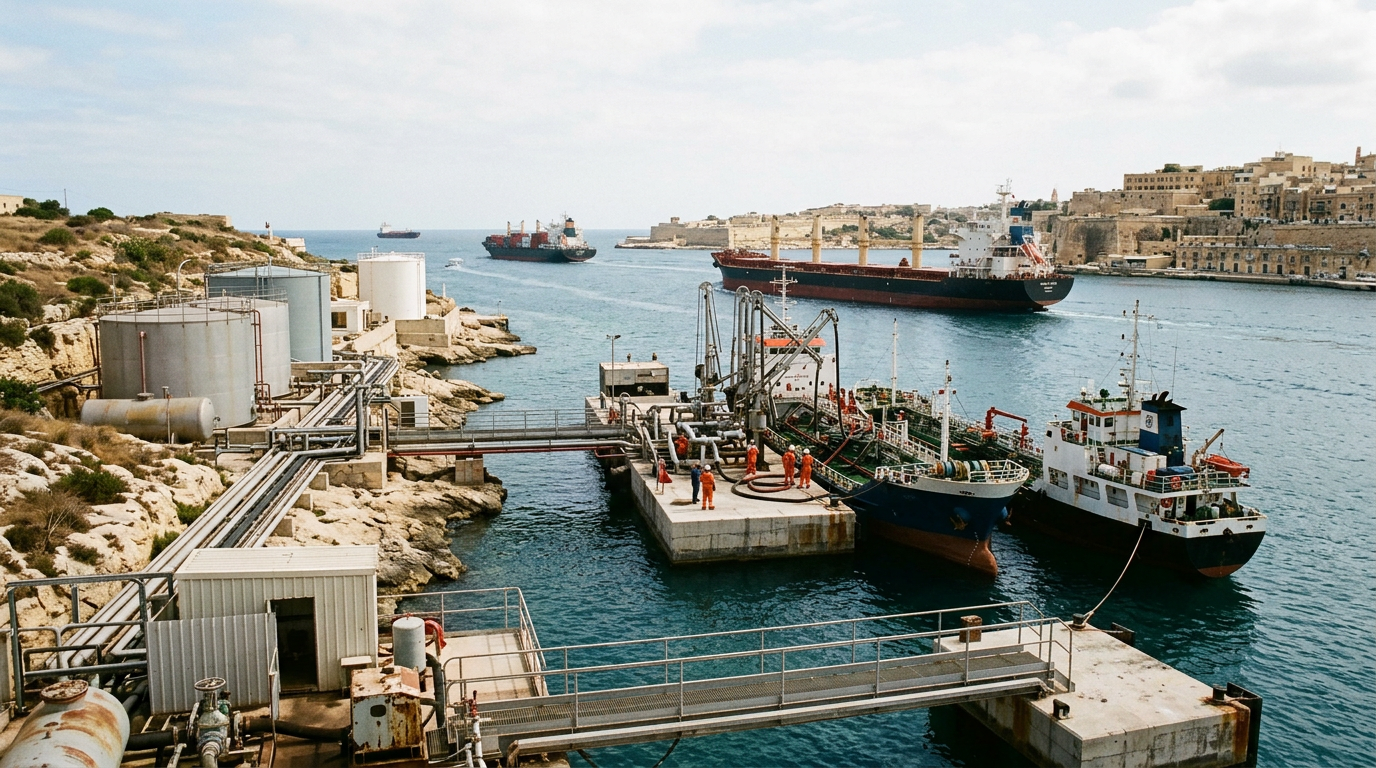
Malta continues to consolidate its position as a central Mediterranean refueling hub amidst evolving maritime regulations and changing shipping demand. Market assessments looking toward 2026 emphasize the need for robust bunkering infrastructure capable of handling diverse marine fuels. Industry stakeholders are evaluating operational readiness to maintain competitiveness across regional shipping corridors.
Fuel compliance remains a critical focus area for suppliers and ship operators navigating the Mediterranean basin. Stricter emissions thresholds and regional environmental mandates require enhanced quality assurance throughout the bunkering supply chain. Operators are prioritizing standardized testing protocols to ensure deliverable fuels align with international maritime standards.
Logistics management across Malta's offshore anchorage areas and terminal facilities represents another core component of forward-looking industry strategies. Efficient barge scheduling, storage asset optimization, and turn-around time management are essential to mitigating congestion in busy transit lanes. Strengthening these logistics networks ensures the hub can reliably service varying vessel classes under fluctuating weather conditions.
The maritime energy transition is increasingly influencing bunkering market planning across the region. As international decarbonization targets approach, suppliers are mapping infrastructure readiness for lower-carbon and alternative fuel solutions. Developing the commercial and technical capacity for emerging fuel types will determine long-term operational resilience.
Looking ahead to 2026, collaborative engagement between terminal operators, fuel providers, and regulatory authorities will guide market development. Aligning infrastructural investment with environmental directives supports transparent, sustainable bunkering practices. Maintaining this focus allows the regional hub to adapt effectively to international maritime trade demands.
Source & editorial attribution
- Original source
- Alkagesta
- Source headline
- Malta Bunkering Market 2026: Infrastructure & Compliance
- Source published
- 20 Jul 2026, 12:48 UTC
Read the original announcement
This is an original editorial summary prepared with automated assistance from the attributed source material, checked for factual consistency against that source and published under our AI & content policy. It is not an independently reported story. Spotted an error? Request a correction.
Daily briefing
Blue Ocean Chartering — Market & Trade Briefing
A concise morning briefing on commodity, energy, fuel oil and shipping developments — written for traders, brokers, owners, operators and analysts. Source-attributed, no hype.
We use your address only to send the briefing. Unsubscribe in one click. Browse past editions.
More from Bunkering
All coverageBunkering2 min read
Alkagesta Concludes SIBCON 2026 Engagements in Singapore
Alkagesta has concluded its participation at SIBCON 2026 in Singapore, addressing marine fuel transitions, supply security, and shipping market trends.

Bunkering2 min read
Alkagesta Convenes Singapore Team Ahead of SIBCON 2026
Alkagesta has brought together its marine fuels team in Singapore ahead of SIBCON 2026 amid ongoing operational expansion across Asia-Pacific markets.
Bunkering2 min read
Alkagesta Debuts Marine Fuel Supply at Port of Constanța
Alkagesta has completed its first truck-to-vessel marine fuel delivery in Constanța, expanding its bunker supply capabilities across the Black Sea.
Bunkering3 min read
Malta Bunkering Landscape Shifts from Fuel Oil to Distillates Amid Regulatory Changes
An analysis by Alkagesta indicates a sharp decline in fuel oil demand in Malta, as the Mediterranean bunkering hub transitions toward distillate fuels driven by new environmental regulations and infrastructure shifts.