Singapore Marine Fuels: Navigating Supply Disruptions in 2026
A strategic overview of how marine fuel suppliers reinforced Singapore's bunkering hub following disruptions along major maritime trade corridors.
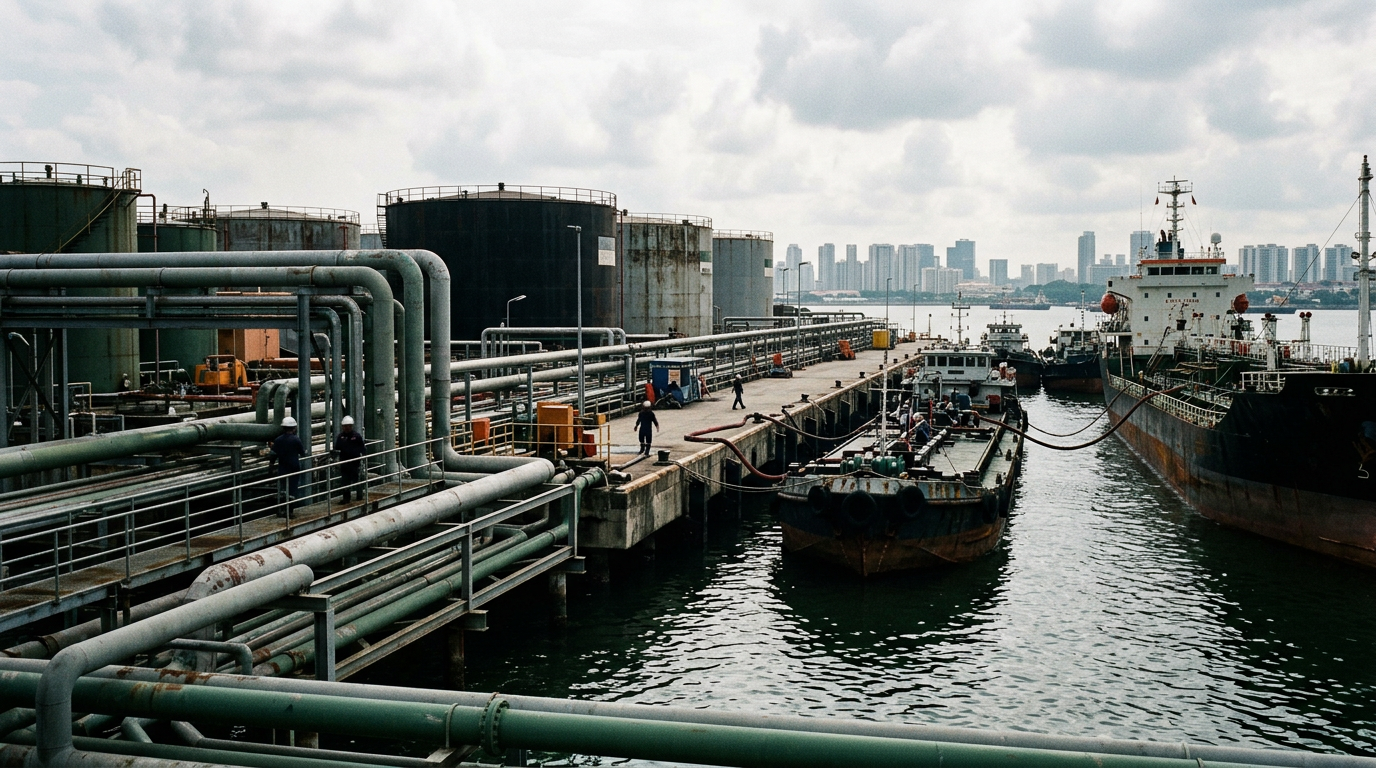
The global marine fuels sector continues to adapt as geopolitical bottlenecks reshape trading patterns across critical maritime gateways. Recent disruptions along key chokepoints like the Strait of Hormuz have highlighted the necessity of agile bunker logistics. In major refueling hubs such as Singapore, physical suppliers and charterers are reassessing supply chains to safeguard operations against unpredictable regional shocks.
Singapore's position as a premier global bunkering destination relies heavily on steady inbound feedstock streams. When regional transit points experience volatility, the flow of blending components and finished fuel oils faces sudden realignment. Industry stakeholders have responded by securing alternative supply avenues and expanding localized storage buffers to maintain reliable delivery schedules for international commercial fleets.
Market intelligence and forward planning have emerged as vital tools for marine fuel distributors navigating these shifts. Alkagesta has structured its logistical framework to address fluctuating trade lanes and preserve product flow into the Southeast Asian bunkering sector. By tracking regional supply shifts proactively, trading and supply firms can mitigate exposure to extended lead times and product deficits.
Diversified procurement remains an essential component for operational continuity across the bunker industry. Fuel providers are increasingly collaborating with broader networks of refiners and midstream operators to cushion against single-source vulnerabilities. This multi-origin strategy helps vessel operators avoid fueling delays and preserve operational timetables while transiting key Asian shipping lanes.
Building resilient supply architecture will continue to define competitiveness in the marine fuel landscape beyond 2026. Bunkering hubs that balance strategic inventory management with transparent supply tracking remain best positioned to withstand maritime trade interruptions. As global shipping corridors face ongoing logistical tests, fortified supply chains ensure that commercial fleets receive dependable bunkering services.
Source & editorial attribution
- Original source
- Alkagesta
- Source headline
- Singapore Marine Fuels 2026: Supply Resilience & Alkagesta
- Source published
- 10 Jul 2026, 11:17 UTC
Read the original announcement
This is an original editorial summary prepared with automated assistance from the attributed source material, checked for factual consistency against that source and published under our AI & content policy. It is not an independently reported story. Spotted an error? Request a correction.
Daily briefing
Blue Ocean Chartering — Market & Trade Briefing
A concise morning briefing on commodity, energy, fuel oil and shipping developments — written for traders, brokers, owners, operators and analysts. Source-attributed, no hype.
We use your address only to send the briefing. Unsubscribe in one click. Browse past editions.
More from Bunkering
All coverageBunkering2 min read
Alkagesta Concludes SIBCON 2026 Engagements in Singapore
Alkagesta has concluded its participation at SIBCON 2026 in Singapore, addressing marine fuel transitions, supply security, and shipping market trends.
Bunkering2 min read
Alkagesta Convenes Singapore Team Ahead of SIBCON 2026
Alkagesta has brought together its marine fuels team in Singapore ahead of SIBCON 2026 amid ongoing operational expansion across Asia-Pacific markets.
Bunkering2 min read
Alkagesta Debuts Marine Fuel Supply at Port of Constanța
Alkagesta has completed its first truck-to-vessel marine fuel delivery in Constanța, expanding its bunker supply capabilities across the Black Sea.
Bunkering3 min read
Malta Bunkering Landscape Shifts from Fuel Oil to Distillates Amid Regulatory Changes
An analysis by Alkagesta indicates a sharp decline in fuel oil demand in Malta, as the Mediterranean bunkering hub transitions toward distillate fuels driven by new environmental regulations and infrastructure shifts.